What we do.
We bring the training capacity and the field expertise to you.
Training crews. Hardening communities. Treating land. Helping fund the work — and then delivering it. Every program is assembled around your organization and your standards, and delivered at your site.
Come to us with the problem. Turning it into a program is our job, and the consultation is free.
How an engagement runs.
We start with a conversation.
You tell us what your organization needs. We work out the program together. You’ll hear back within one business day.
We come to you.
Classroom and field, at your site. We bring the instructors, the expertise and the equipment. You provide the site, the PPE and your people.
Your people finish certified.
A certificate for every course completed, with task-book eligibility where the program qualifies.
From first day to fireline-ready.
We turn people into qualified, deployable wildland fire crews — and sharpen the crews you already run. Everything maps to a recognized standard, and the courses are selected to your organization rather than pulled off a shelf.
Programs we’ve delivered in these shapes: Basic Wildland Fire Academy · Advanced Wildland Firefighter, built past NWCG’s Firefighter Type 1 requirements · Forestry Workforce Development, the program behind every corps engagement on our record.
See the courses →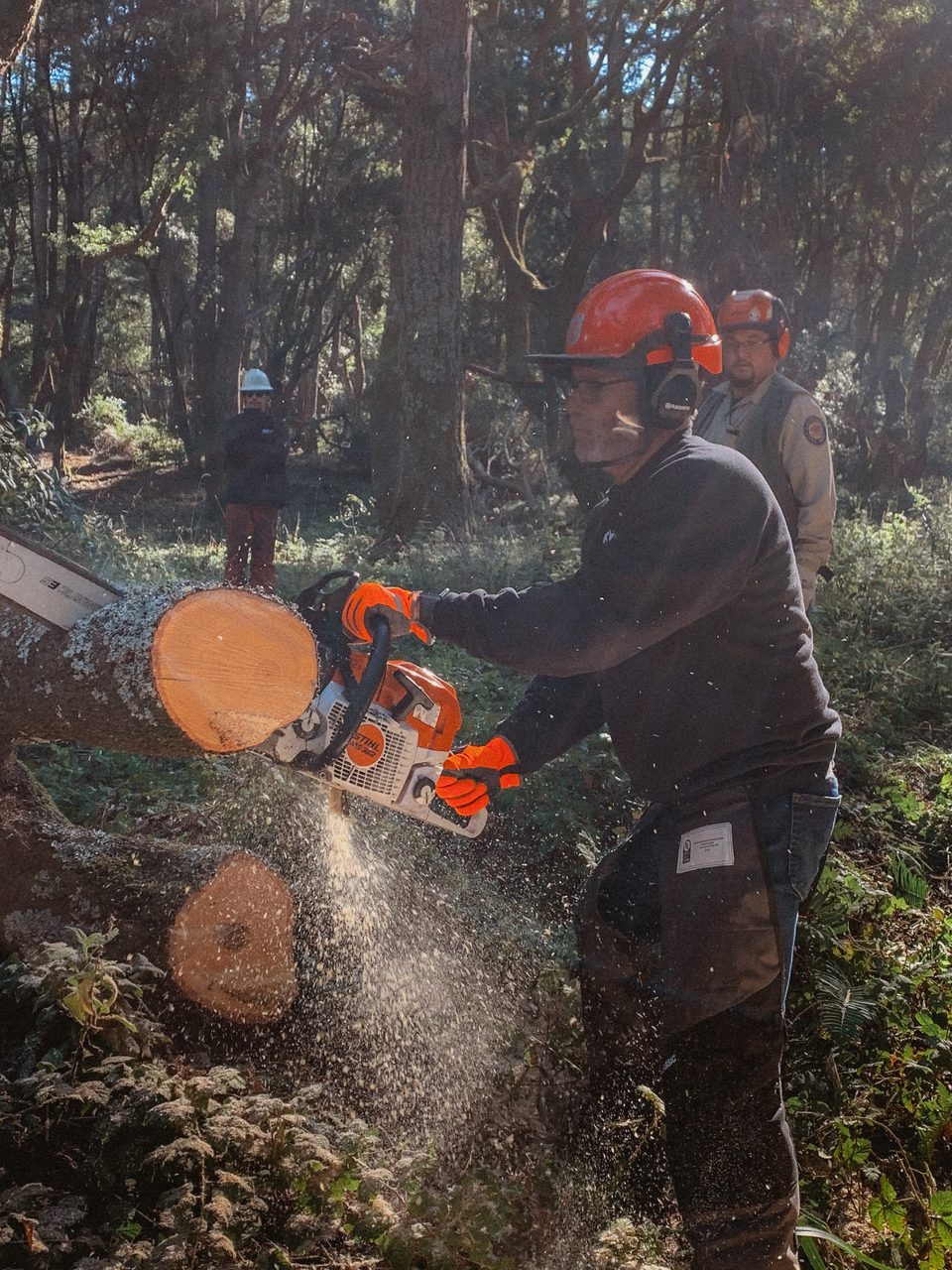
Protecting homes before the fire.
Home Ignition Zone, home-hardening and defensible-space training · S-215 Fire Operations in the Wildland Urban Interface · hardening inspections with written reports · community and homeowner risk assessments · Community Wildfire Protection Plans, formulation and support, including CWPPs for tribal organizations and their partners.
See the courses →Planning the work, and doing the work.
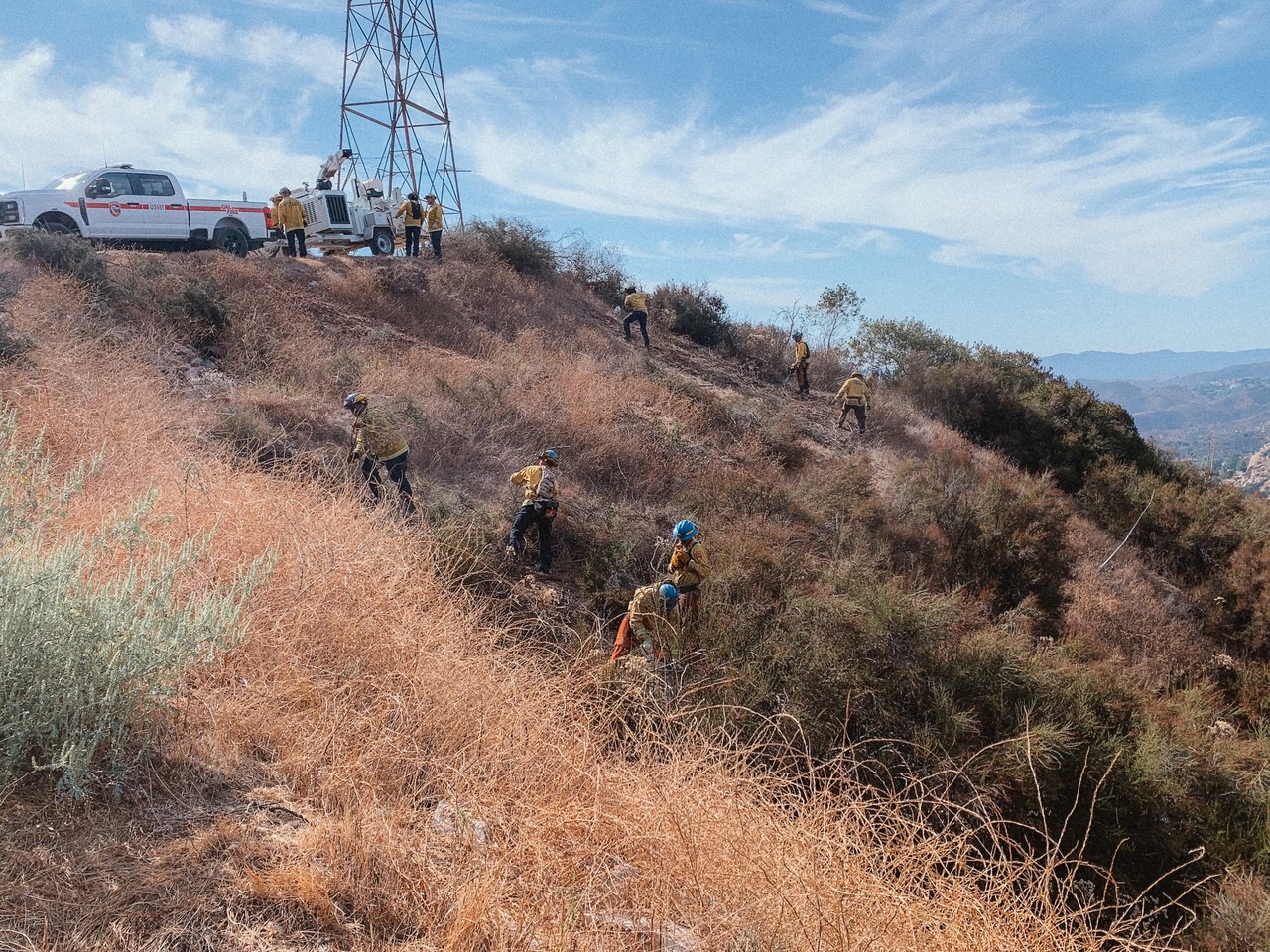
Fuels Reduction Methods & Techniques · Wildfire Mitigation Planning & Reporting · firebreak implementation · roadside fuels reduction · treatment-effectiveness reviews · Prescribed Fire & Pile Burning · cultural burning with Native sovereign nations.
Three depths, your choice: train your crew to do it, have us supervise them doing it, or hand us the unit and let us do the work.
See the courses →We help you write the grant that funds the work — then we deliver it.
Grant writing and administration, application through reporting · scope development · budget and deliverable language · training schedules · outcome measures · field implementation planning · site-readiness review · CEQA coordination · roster and course-completion documentation · reporting support.
Built for wildfire-resilience awards, including Prop 4 recipients.
Work that fits no category.
Four areas, because that’s what most organizations need. If yours needs something else, that’s still the job.
Recent asks that fit no category: a volunteer fire department built from scratch; single-skill intensives; a program built around one grant’s exact deliverables. If an instructor for it exists, we have them — or we know how to find them.
The split is simple: we bring the teaching, and the tools, you bring the site.
We provide
You provide
Classroom
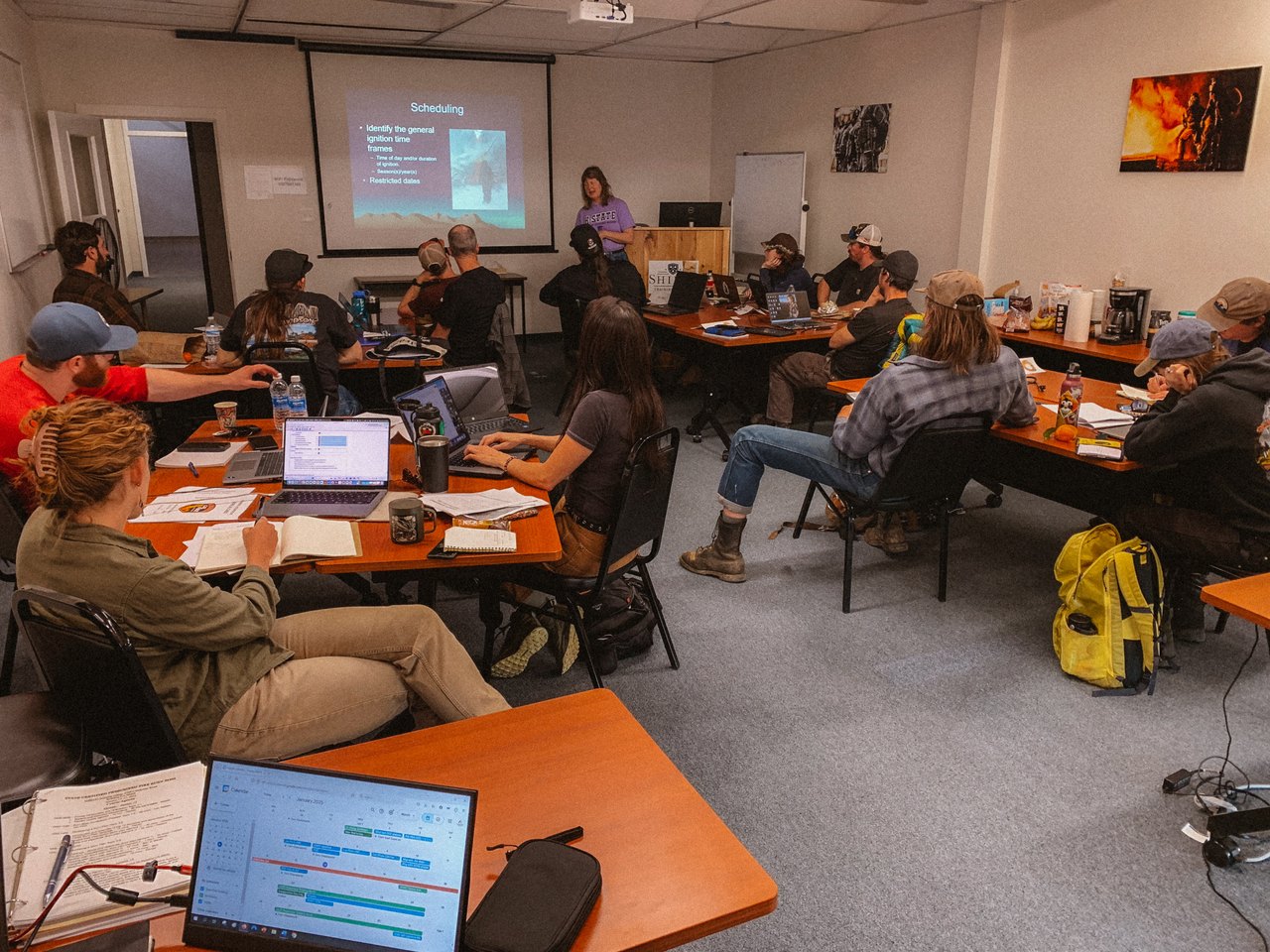
A facility seating at least 18 students · WiFi, a projector or screen, and a whiteboard or flip chart · break areas and restroom access
Field site
Assistance securing the training location · CEQA compliance and field-site coordination
People and paperwork
Student logistics and coordination · an on-site crew supervisor · PPE including helmets and chaps · a job hazard analysis and medical plan · a class roster one week before training
Equipment is settled during pre-course coordination. If your crews will be working on their own saws afterwards, they can train on those — otherwise we bring the equipment so everyone learns on the same machine.
Field sites need vegetation for brushing, limbing and bucking, room for chipper work, a structure to evaluate for defensible space and home ignition zone training, and — for felling courses — at least 30 practice trees.
We teach to recognized standards, and certify to them: NWCG, the California State Fire Marshal, FEMA and OSHA.
We work out the program with you.
Course list in hand or just a problem statement — either works. Send what you’re working with, and our Integrated Fire Management team will take it from there.
A member of our Integrated Fire Management team will get back to you within one business day.